
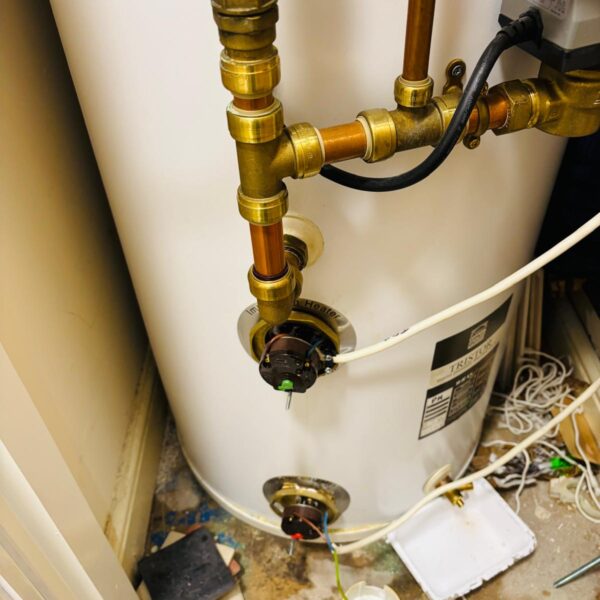
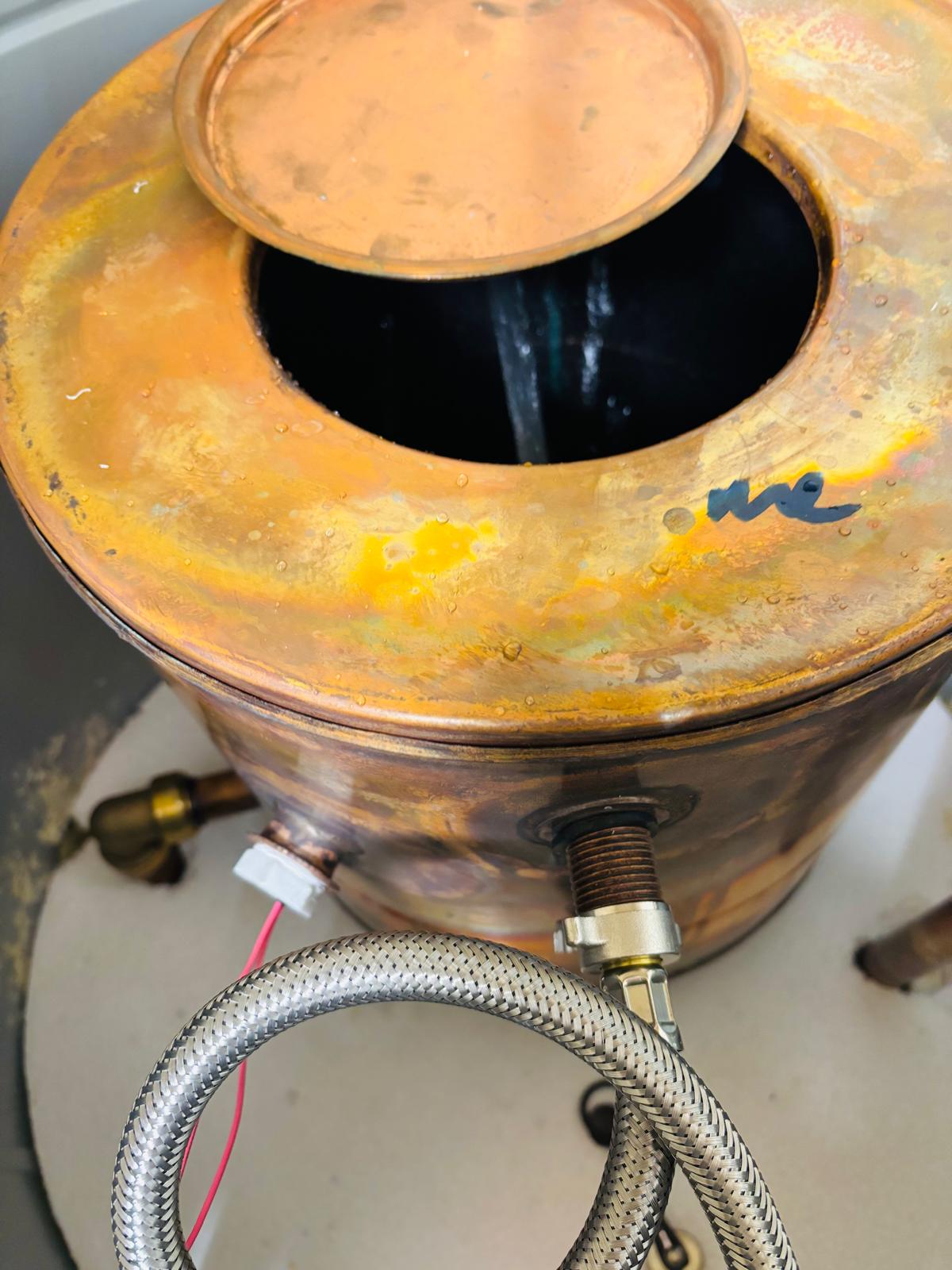
The thermal store was leaking.
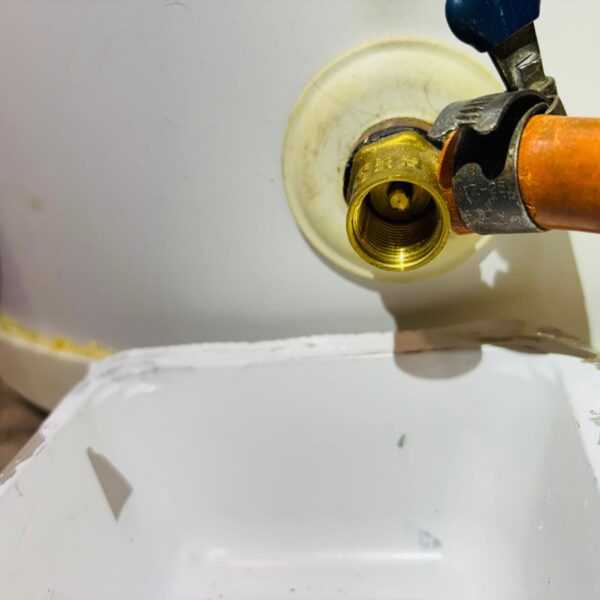
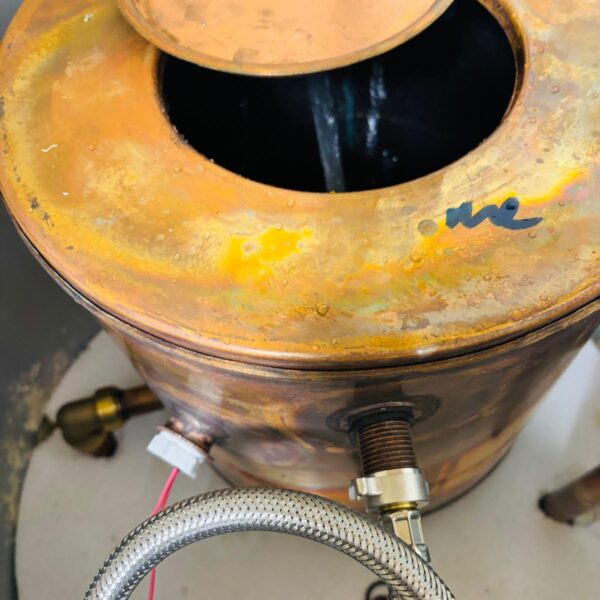
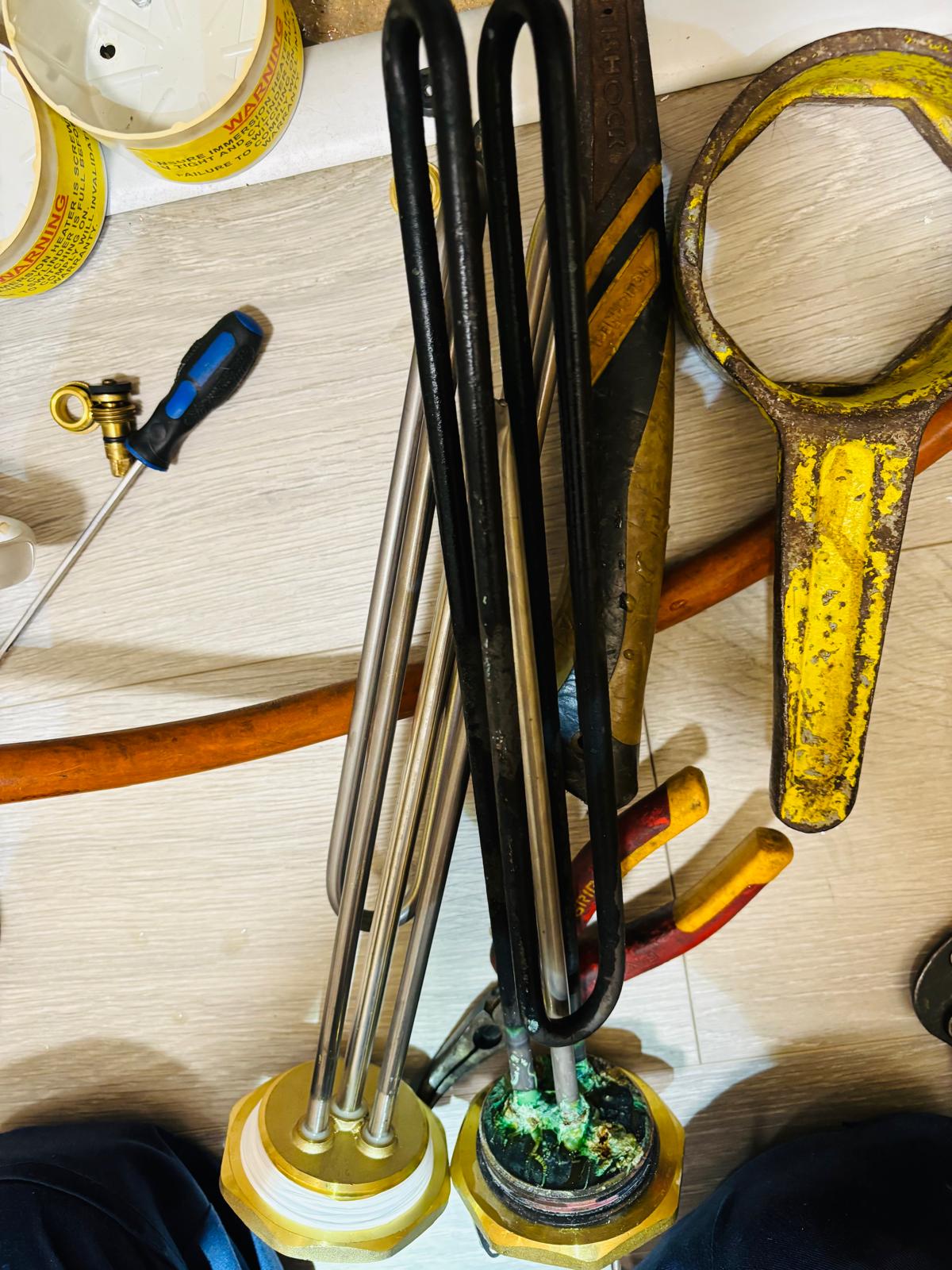
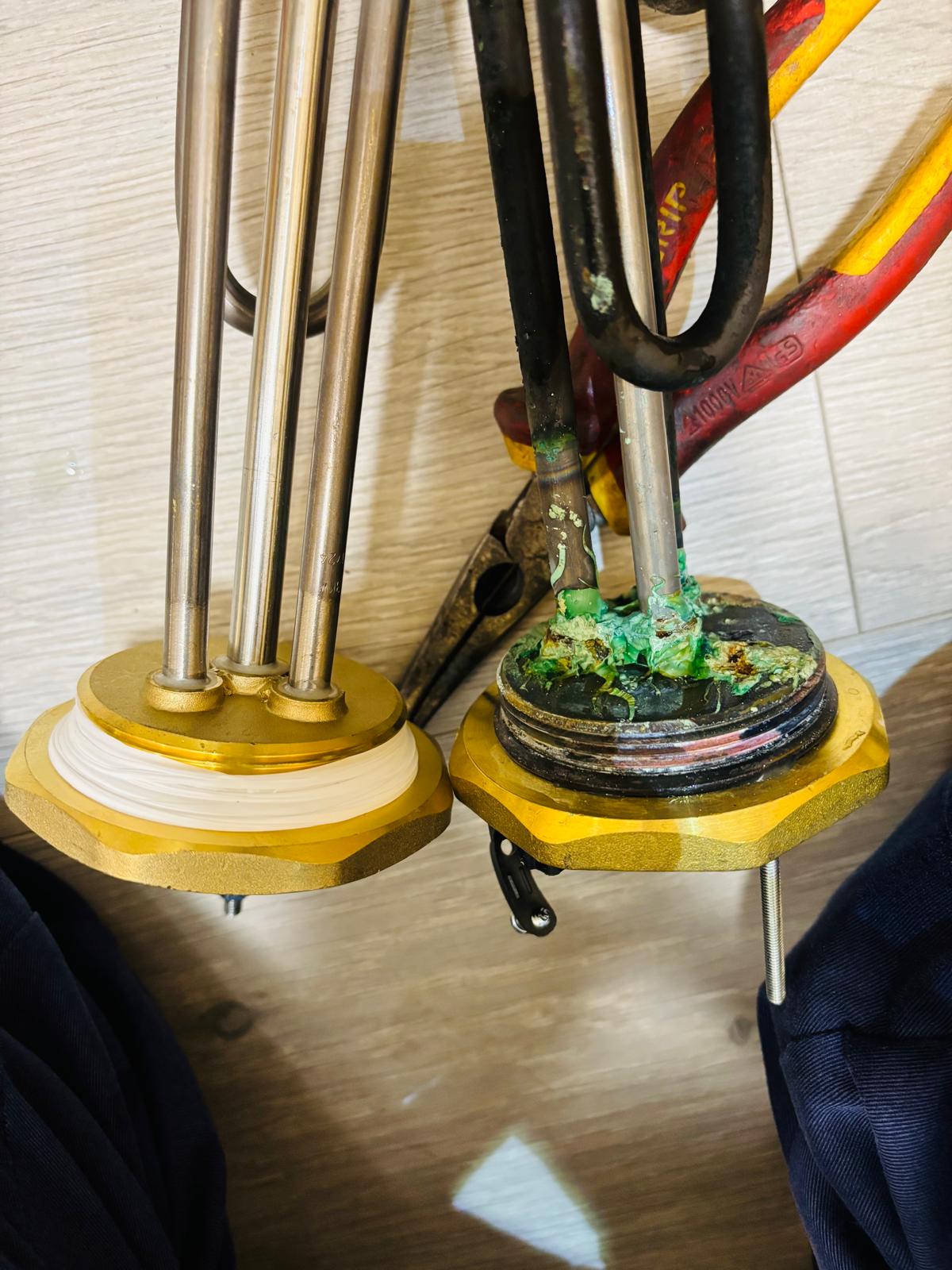
The thermal store was leaking, so we drained down the cylinder and fitted a new thermostat.
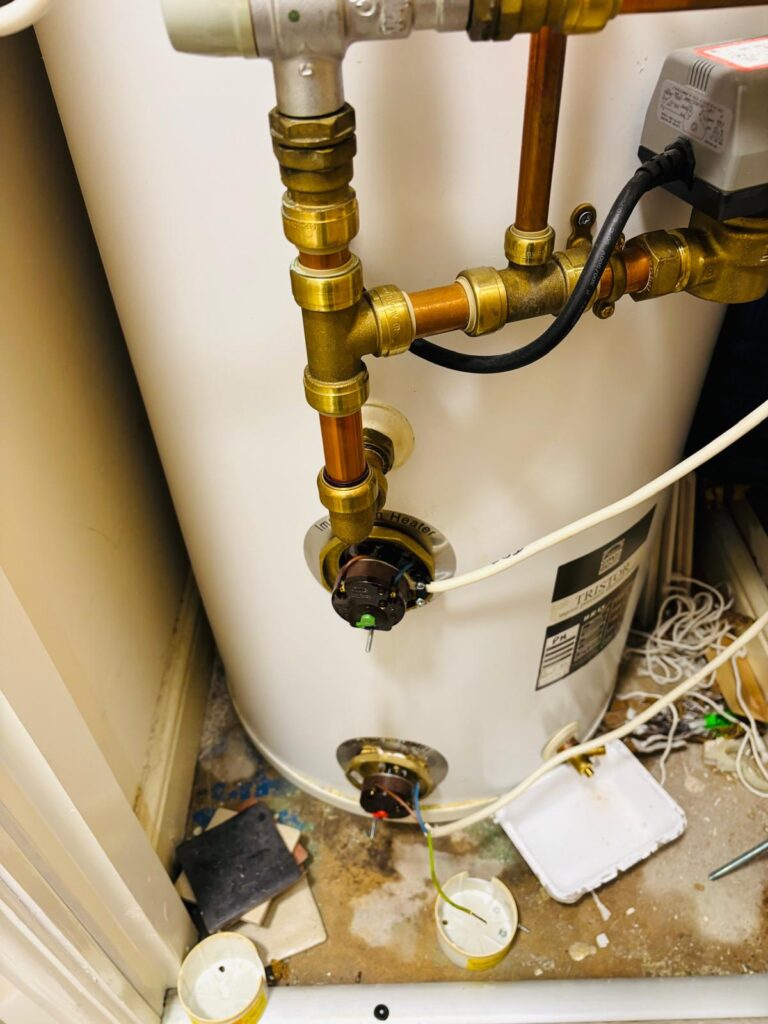
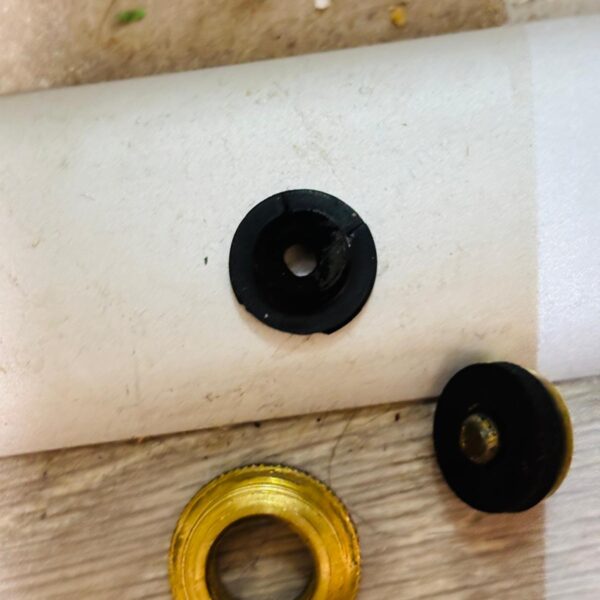
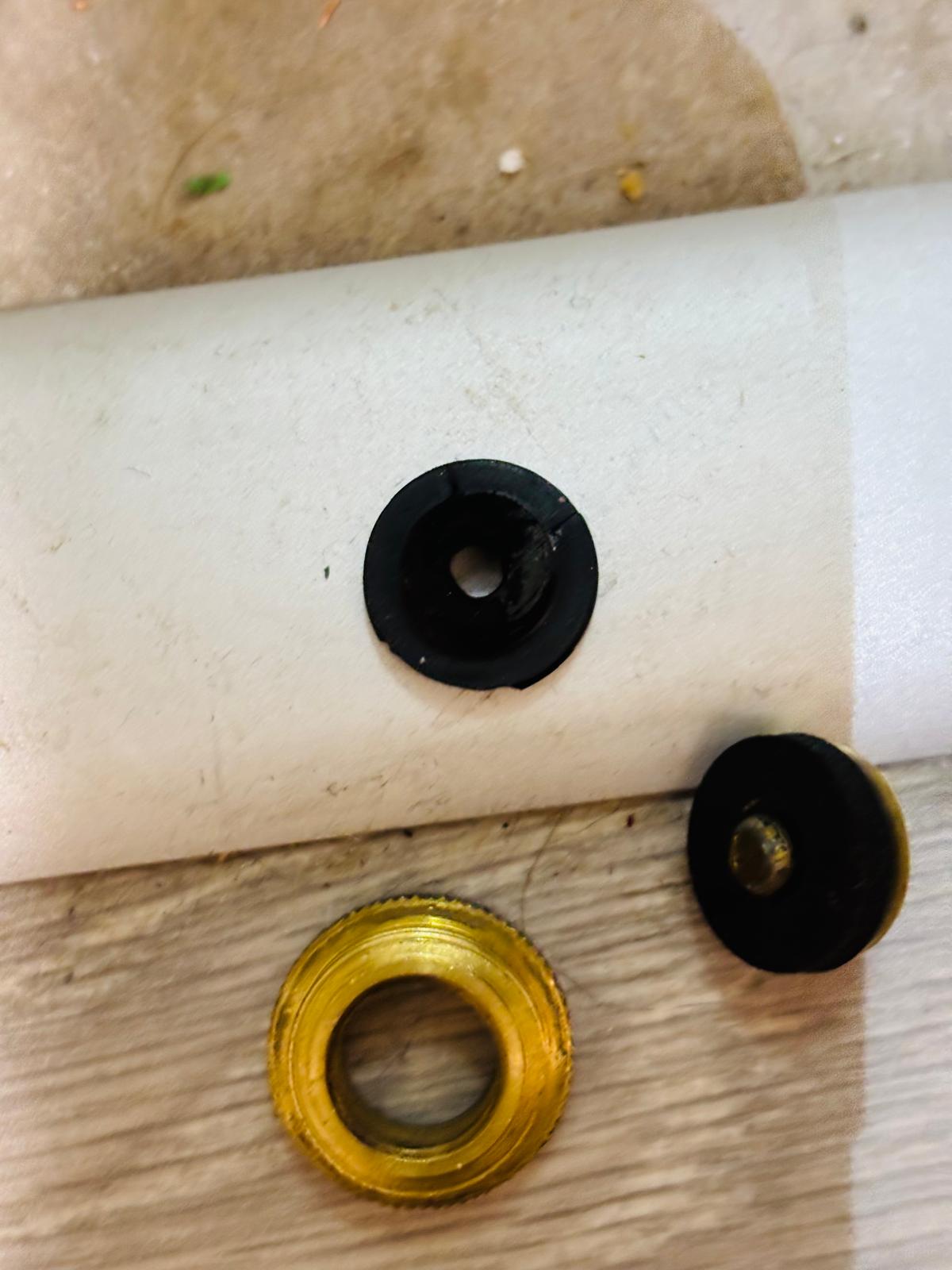
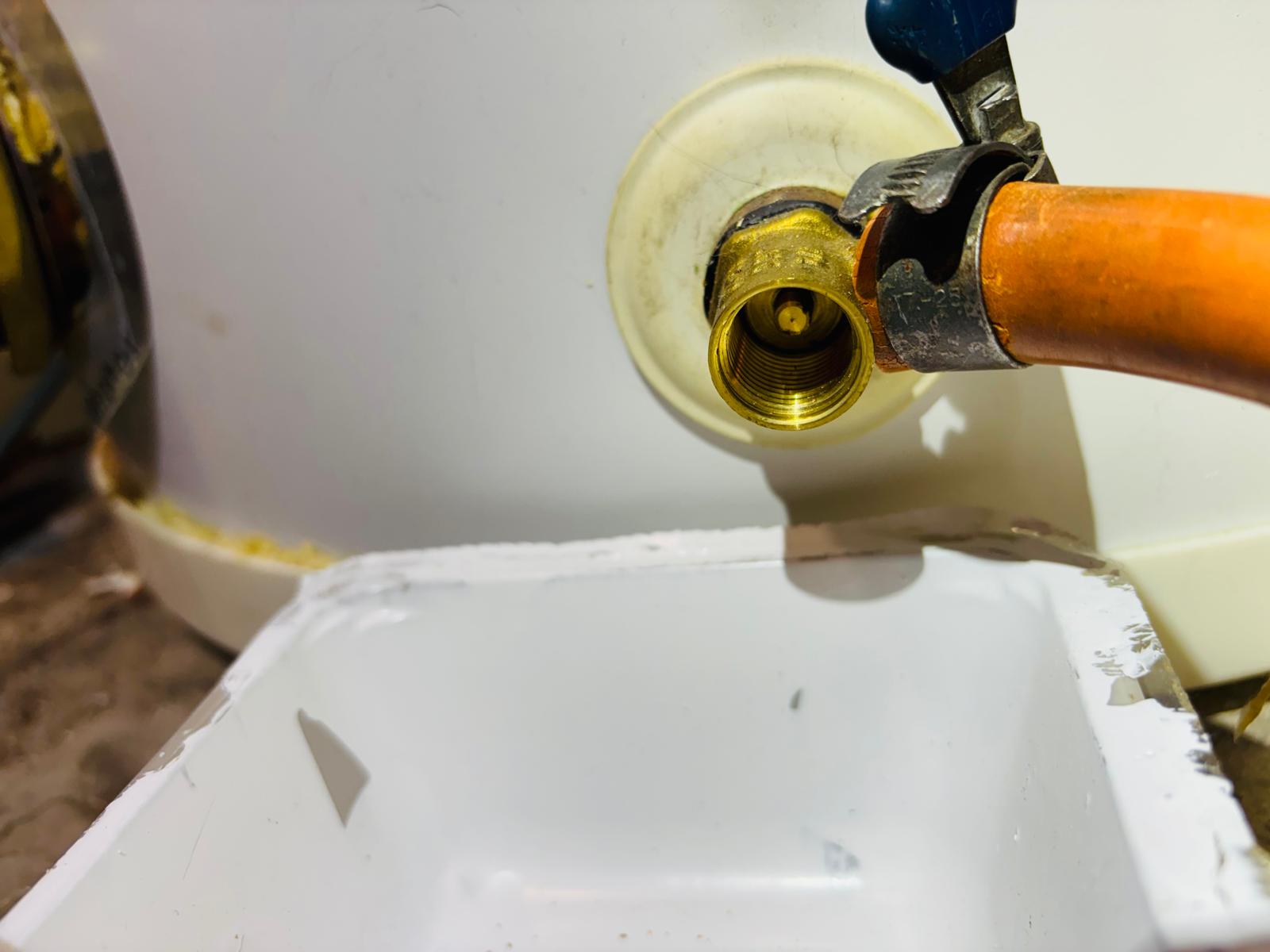
- We replaced the worn-out drain-down seal, a good idea for any Hot Water Cylinder that needs draining down and servicing.
- The draindown seal was seized inside and had to be pulled out to replace the existing seal.
- We rebuilt everything and put it back together, filled it up, and it’s good to go.
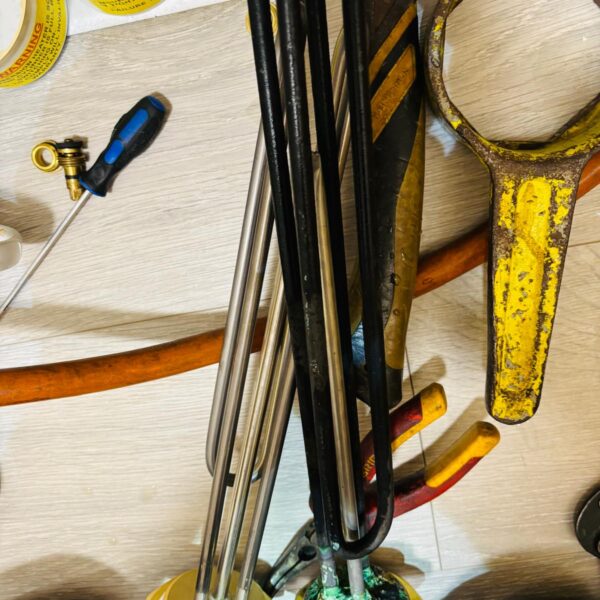
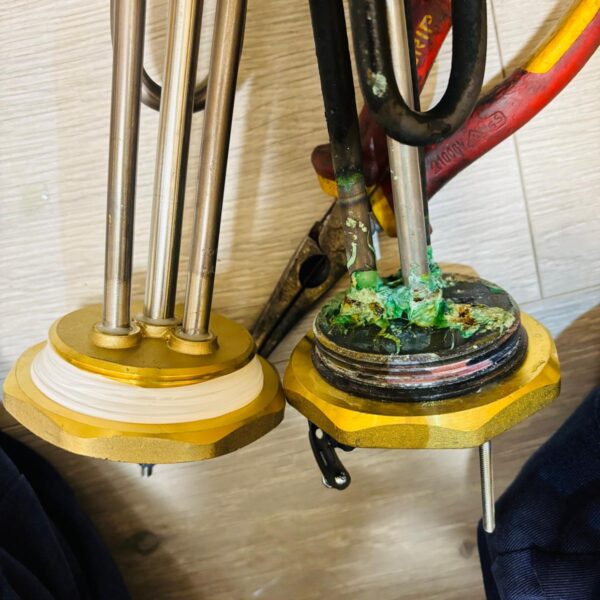

Replacing a faulty thermostat on a hot water immersion heater is a good idea for several important reasons:
1. Prevents Overheating & Boiling
-
A faulty thermostat may fail to cut off power when the water reaches the set temperature, causing the water to overheat or even boil.
-
This can lead to excessive pressure buildup, increasing the risk of bursting pipes or tank damage.
2. Avoids Scalding Risks
-
Overheated water can reach dangerously high temperatures, posing a severe scalding hazard, especially for children and the elderly.
3. Saves Energy & Reduces Costs
-
A malfunctioning thermostat may keep the heater running continuously, wasting electricity and significantly increasing energy bills.
-
Replacing it ensures the heater only operates when needed.
4. Extends the Heater’s Lifespan
-
Constant overheating strains the heating element and tank, leading to premature failure and costly replacements.
-
A working thermostat helps maintain optimal operation.
5. Prevents Complete Breakdown
-
If the thermostat fails completely, the immersion heater may stop working altogether, leaving you without hot water.
-
Replacing it early avoids unexpected cold showers.
6. Reduces Risk of Electrical Hazards
-
A faulty thermostat can cause electrical issues, such as short circuits or overheating wires, increasing fire risks.
Conclusion
Replacing a faulty thermostat is a small investment compared to the potential risks of overheating, high energy bills, scalding, or system failure. It ensures safe, efficient, and reliable hot water supply.

